Memory, melody, mourning
on relearning piano & grief

Since October, I’ve been mourning the pianist I could’ve been.
I hate to feel sorry for myself or think in hypotheticals – still, maybe if I had been swayed differently, spent more time at the bench, switched teachers instead of quitting altogether, did my scales straight away every time – maybe right now my life would look different. In this fantasy I am not a concert pianist. Maybe just good enough to sit in once in awhile (I have a family full of musicians), play a carol or two at Christmas, or teach some neighborhood kids for 30 bucks or something. Keep the wheel turning, as it goes.
Of course I wish I could be digesting the last movement of a Bach sonata while it snows. I wish I could read and understand that language. Instead I’ve been learning some of the more perspicuous classics, as well as some Radiohead and Hisaishi, a little Twin Peaks. Songs simple and familiar. I’ve never liked to sing alone in front of other people (why I used to harbor some jealousy for the theater kids, lol) but playing piano was fine. I could at least remain silent, with my back turned. And I used to love to sit in the living room, sunken and dim, and lose track of time in practice, playing things from ear to save the strain of strengthening sight reading for my lessons. I was always awful at that part.
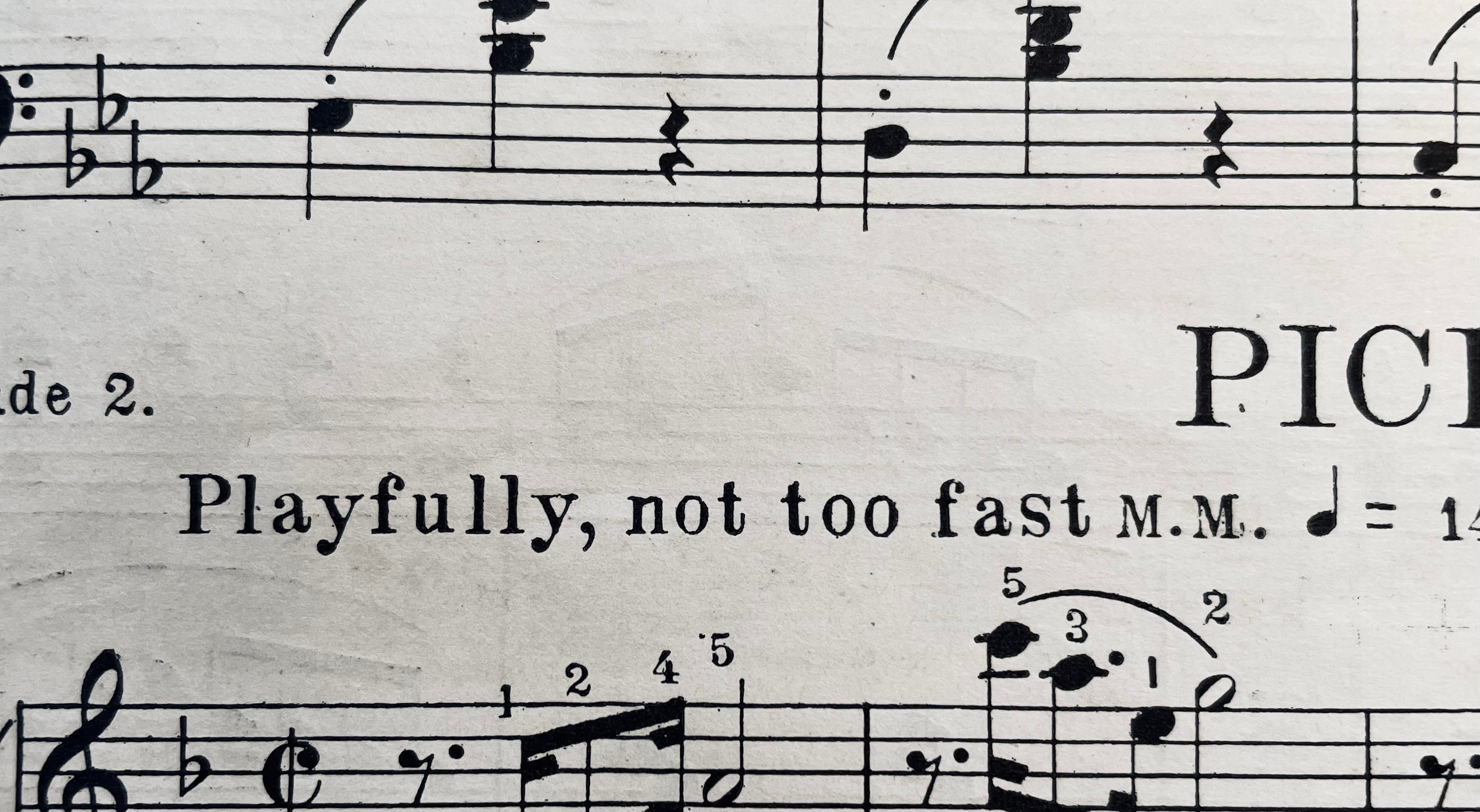
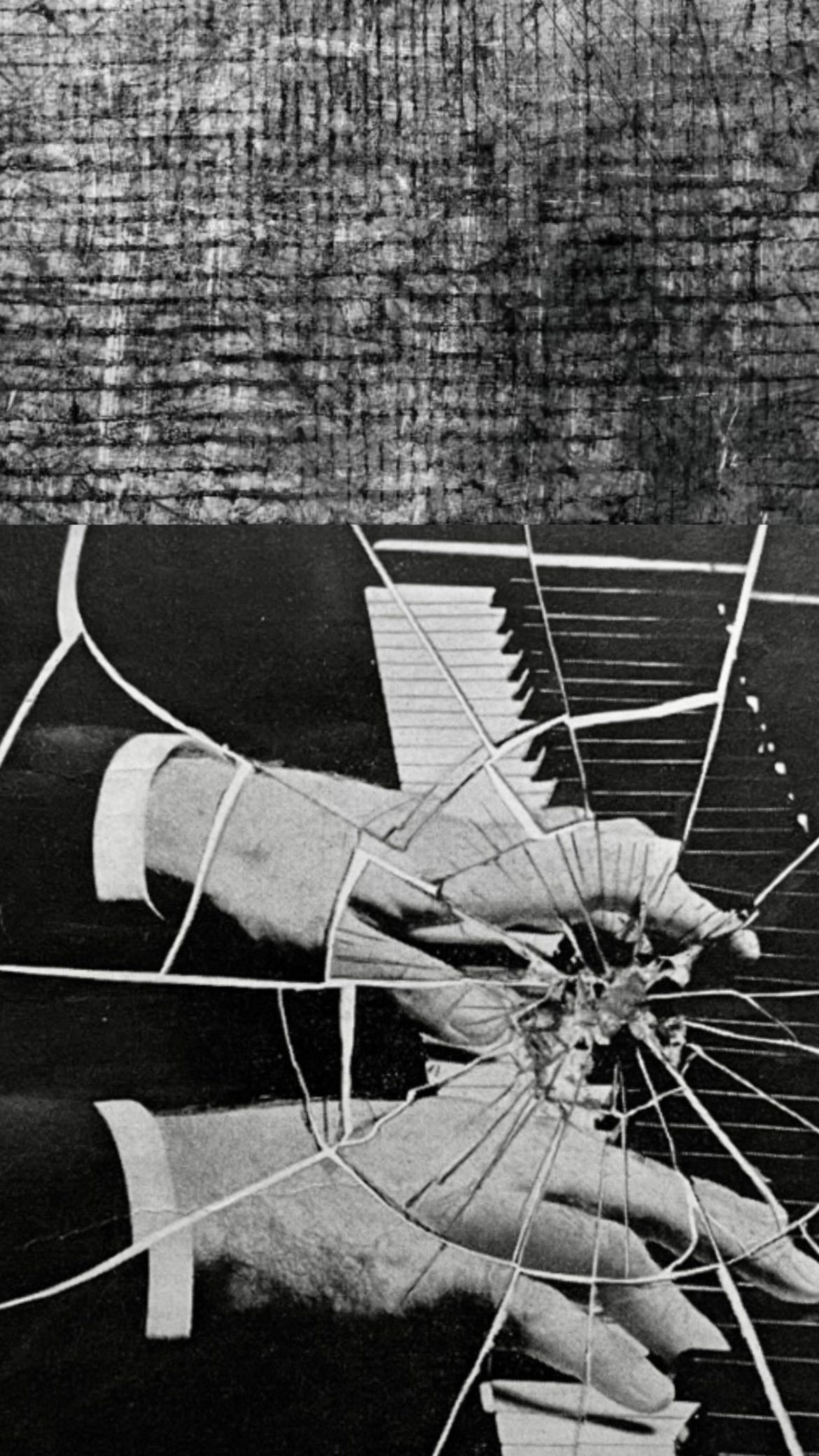
My teacher and I would meet every week on Wednesdays. She had a big house in the next town over with an open floor plan, a husband who was almost never there, and a glossy grand piano. She had a tumultuous relationship with her two teenage daughters, often arguing with them in front of me, and I grew used to this – just sat silently in front of the keys, waiting for them to storm out the front door and for her to turn back, defeated, but ready to correct my hand positioning. She made jewelry in her spare time (I still have the bracelet she made me ♡) and had a beautiful black cat that I loved and a parrot that I detested. After practice, if the weather was nice, we’d take a walk in her garden and I’d feed the koi in her pond. Like the cat, I loved them too, how they swam up to me so eagerly, as if they’d starve to death if they didn’t inhale my tired fingers.
I still associate playing the piano with a certain amount of perfectionism and pressure – certainly both self-inflicted. For better or worse, the best way I know how to show myself love is through discipline, so perfecting a task or a practice until exhaustion is second nature. While we’re on the topic of fantasy, I sometimes imagine that in a previous life I would’ve made a great ballet instructor, the way I can go all strict and steely. I’d make little girls sink to the floor in puddles of tears and pink tutus and not even bat an eye. In actuality, I am the girl in the pink tutu.
There are many things I failed to do because I couldn’t feel proud of myself, or was ashamed of the possibility of my blatant imperfection. I think that’s why when I quit music, I started gravitating towards visual art, because I felt it allowed for so much more subjectivity. Grand, sweeping vistas of subjectivity where criticism doesn’t hurt because it’s all relative. Sure, you can be a bad artist, but so much of that is up to the viewer. With music, if you’re playing the wrong note, you’re playing the wrong note. If you don’t have rhythym, you don’t have rhythym.1
I played piano for many years, and I was alright. I don’t know why, even back then, I was never satisfied. When my husband and I bought a house this past summer, I decided I just had to move my childhood piano into our dining room. It’s a dark oak upright and it’d fit right in, I know just the spot. Cue the conversations about tuning it (how much does that cost anyway?) and moving such an old, cumbersome instrument – ok, we’ll just put it on the back burner. I quickly distracted myself with more practical tasks, like ripping up old carpet and peeling off the wallpaper. I was content to put it out of my mind & let myself be perplexed by paint colors. Not like I play anymore, anyway.
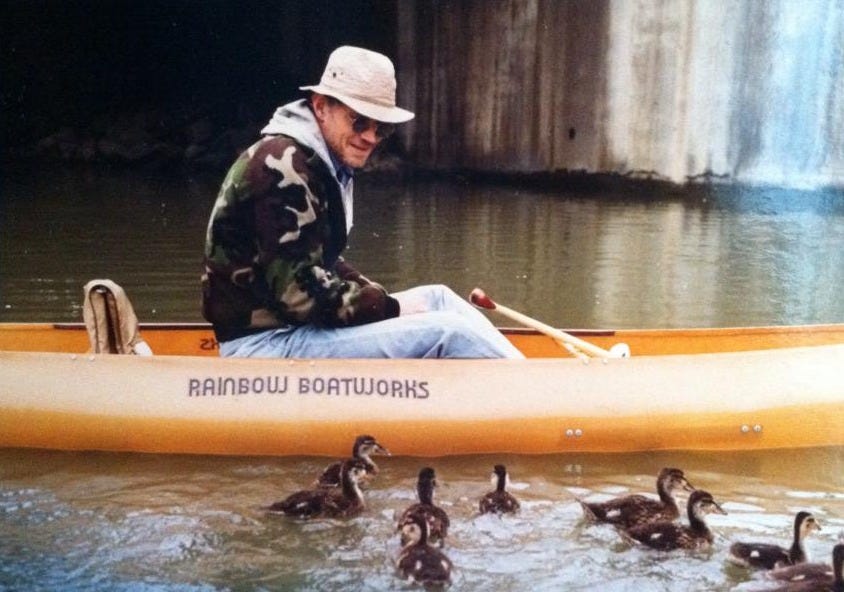
Summer turned to fall, and in the fall, my uncle died. I went with my parents to clean out his apartment, and we sorted things to be donated, thrown away, or given to his friends. We took the yearbook off the bookshelf and smiled at the photo of him wearing his shit-eating grin: blueprint of a troublemaker. We took the Bible that was given to him from his ex wife, spine pristine, never cracked. We scrubbed the nicotine-stained walls, canceled his prescriptions at the pharmacy, shut down his phone. I don’t often hear people talk about this part of losing someone: the regularity of it all & the way we become voyeurs into their lives, just thumbing through their mail or cleaning the expired food out of their fridge. I think I threw out like 3 packs of hot dogs that day. I didn’t know someone needed that many hot dogs. What I’m trying to say is it all makes death seem much more ordinary, even though it’s already perhaps one of the most ordinary, universal experiences we’ll face. Maybe that’s why we choose not to focus on the mundane – because tending to these tasks distances us from our feeling, and it’s good to feel, even the bad kind of feel, or at least that’s what they say. As souvenirs from his place, I kept a hole punch, a deck of cards, various books, a $5 bill that was hidden in a mysteriously flirtatious birthday card from some woman we’d never met, and his old Yamaha P70 – much easier to move than an upright. I started playing again that same day, after not having played in well over a decade. Since then, I’ve had some days where I practice for hours, and then maybe 3 or 4 days where I don’t even touch it. A weekend goes by, life gets in the way.
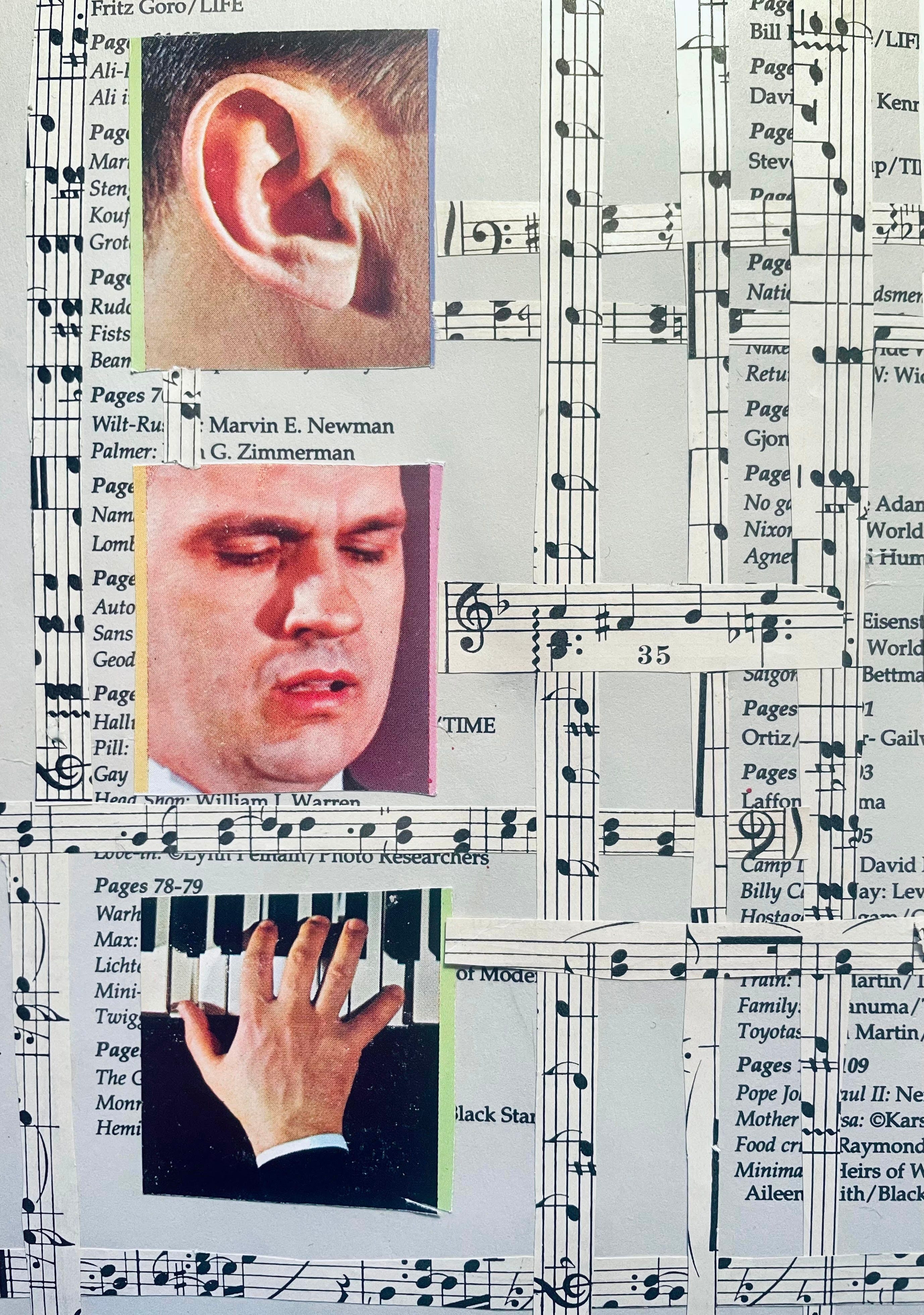
Lately, as I’m practicing, I feel mournful. I feel mournful because of him and because I never did anything to make him proud. And, though self indulgent, I feel a little mournful of the pianist I might’ve been if I’d stuck with it. I also feel very humbled, grateful for the privilege of (re)learning something new, for the opportunity to start from scratch. I believe that in itself is a gift. At first, the myth of muscle memory takes over, and I believe the lie that I can pick up where I left off. Sometimes I can, if I don’t think about it too much – funny how that works. Then the next moment, I’m certain that everywhere in the world there’s never been a single person more profoundly dumb. Like many worthwhile things in life, I think it’s a test of patience.
In certain hours of the day I see her in my periphery, the vision of myself who never quit and can play with ease, whether by sight, ear, or memory. It is an image of myself that made use of something special, that struck gold and kept digging. Over the years I feel like my hands shriveled and atrophied and now the tone of my touch is heavy and clumsy. I rely on pedal when I shouldn’t and oops that’s the wrong key. But I think I will try again.
I think I will choose to keep learning how to be in the world, like I’m new everyday. Letting myself be new might mean being gentler with myself as I (struggle to) make this into a sincere practice. It also might mean rediscovering that I love playing piano, even if I always mess up no matter how hard I try, even though I sometimes used to sit and cry over the keys, over something as superficial & unimportant as imperfection. Now I sometimes sit and cry over the keys out of grief, out of a sadness that doesn’t have any place else to go. Despite all of that, everything I play sounds beautiful to me. I’ve felt glimmers of the intoxication of drowning in a phrase. I’ve caught myself pausing to hear the reverberations, the tiny galaxies contained in one single note. I’ve gotten swept up in crescendos and have seen again how music emerges from nothing, and that by some miracle, I myself have become the lone, lucky instrument that draws melody into the world.
What I mean is while taste and talent are both wildly subjective, technical skill is something that’s a bit more black and white, even though it’s something we can hone with study and practice. This is true of every art form. Discussing subjectivity is always somewhat… subjective, but this is all just my experience, and I think there’s a very interesting conversation here with plenty of nuance.